
Smart Rings and AI: Avoiding Commoditisation in Wearable Technology
08 Jun 2026
Summary: Smart rings may avoid the commoditisation faced by many wearable categories because continuous data collection enables personalised AI experiences. This creates defensible advantages through data, context, and ecosystem integration.
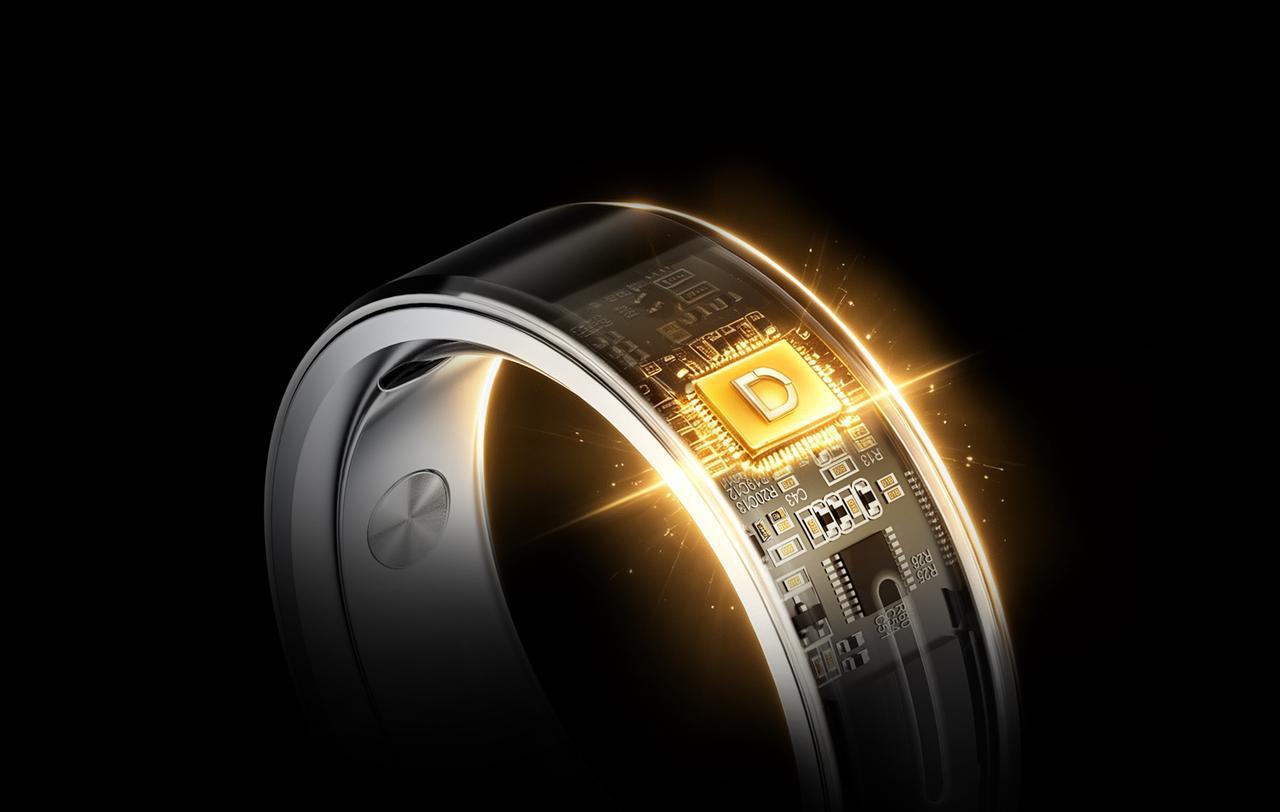
Smart rings: tiny devices, powerful AI health tracking.
The Smart Ring Inflection Point
Smart rings are reaching an inflection point. Thanks to the miniaturisation of technology (more can fit inside of a smaller space), rings can now track sleep, heart rates, and even give haptic feedback (vibrations) as notifications. For consumers, this is fantastic: the cost of sensors, AI, and manufacturing has declined at the same time as the technology has improved. For wearable companies and investors however, the question becomes whether rings face the same commodification that action cameras, earbuds, and fitness trackers have seen over the last decade.
The answer may lie not in the hardware itself, but in the continuous data, personalisation, and ecosystem integration that AI enables.
Why AI Changes the Wearable Business Model
The integration of AI is shifting wearables from tracking devices into personalised health companions. Smart devices are moving beyond tracking towards interpretation and feedback, making data increasingly important in building a business that creates value for users and investors.
Data quality and ecosystem connectivity are important considerations for many hardware companies from robotic pool cleaners to humanoids. Rings are an interesting case study because they highlight a broader trend across AI hardware: as devices become easier to replicate, long-term advantages may come from the data, insights, and ecosystem built around them. The success of brands such as Oura in North America and Dreame AI Smart Ring in China suggests growing confidence in the smart ring market.
Data, Context, and Personalisation
An AI algorithm connected to a person's health needs real, consistent, long-term data. This is what makes rings such an attractive personal AI device: unlike a smartwatch which is often removed before bed, a ring can be worn 24/7 and can therefore generate a long-term uninterrupted data set. Recent releases offer rings as thin as 2.5mm, almost as thin as a regular wedding band.
A smart ring creates a continuous feedback loop by collecting data, interpreting it, and providing feedback to the wearer. Over time, this process builds the context required for more personalised insights and interventions. It is the culmination of understanding the time of day, heart rate fluctuations, skin temperature, and sleep history that gives a personal health device context. Context is particularly important because physiological indicators can vary for reasons beyond exercise or recovery. Hormonal fluctuations in a woman's cycle, for example, can influence many of the metrics that wearable devices track, making personalised interpretation increasingly valuable.

Smart rings are promising wearable AI for consistent, actionable health data.
Can Smart Rings Build Defensible Moats?
This personalisation, if done well, creates a deeper moat for wearables companies because recommendations become increasingly tailored and reliable. It may also encourage brand loyalty across other product categories where rings can integrate with other appliances and features. This ecosystem integration is explored in our other insight articles on innovation in the AI era and smart home robotics.
Consistent, continuous data collection will be increasingly important as smart rings move from tracking physical data like sleep and heart rate, to supporting mental and emotional tracking and interventions.
Conclusion: Smart rings may avoid the commoditisation that has challenged many wearable categories, but success is unlikely to come from hardware alone. The companies that build the strongest data loops, personalised AI experiences, and connected ecosystems may be best positioned to create lasting advantages.