
IFA 2026 Recap: Trends In Smart Home Technology
09 Sep 2026
Invisible, functional AI upgrades are quietly reshaping how consumers will interact with technology
1. THE SMART HOME IS BECOMING AN INTELLIGENT HOME
Appliances are increasingly moving from responding to commands to understanding context.
Washing machines can identify what is being washed. Kitchens can recognise ingredients and help plan meals. Connected devices can coordinate routines across the home rather than operating as standalone products.
AI is advancing from an interactive tool to something that enables lower effort household appliances.
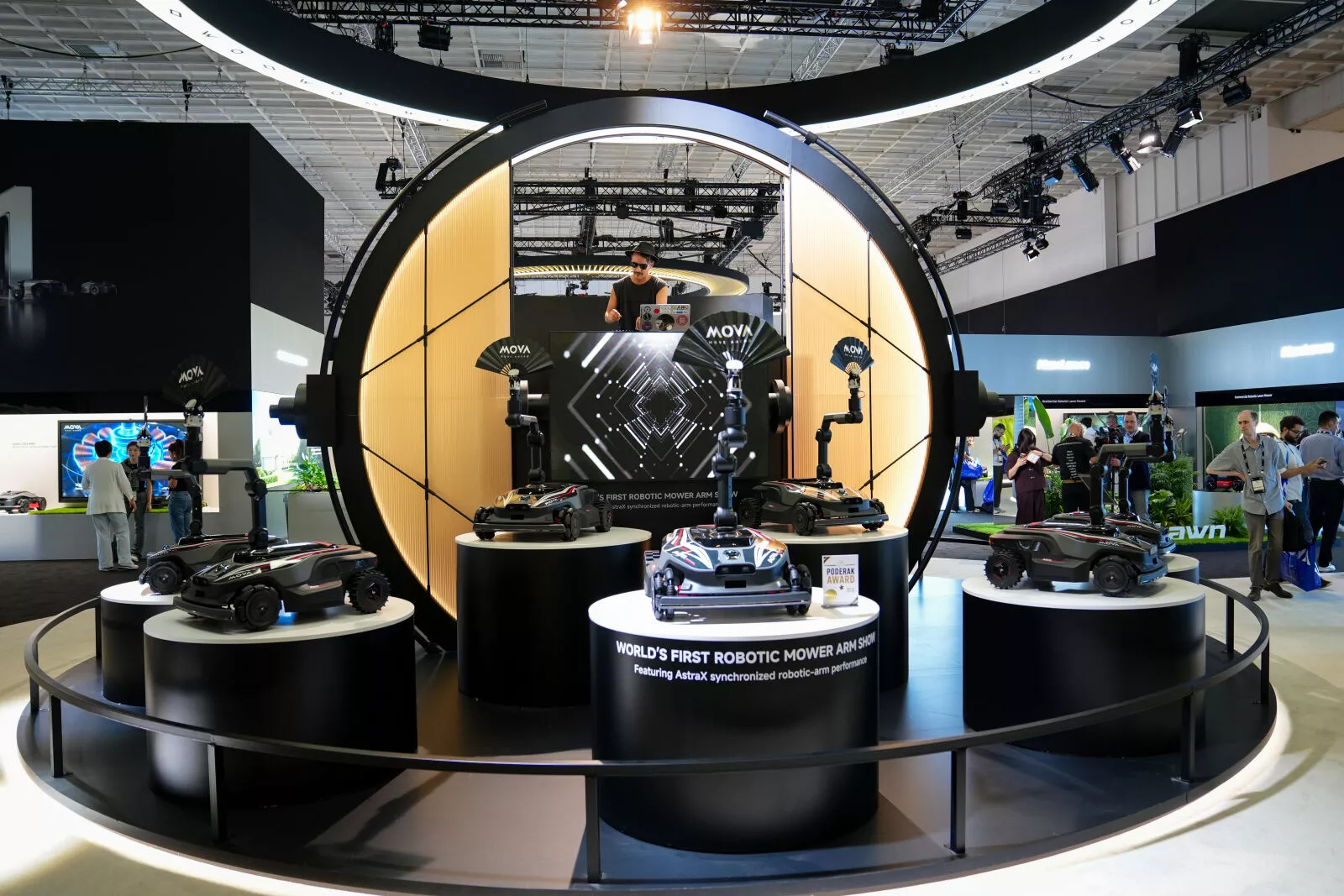
Photo credit: IFA
2. PHYSICAL AI IS BECOMING TANGIBLE
Robotics had a much larger presence at IFA this year, from humanoids and companion robots to increasingly capable household robots. IFA itself highlighted the growing role of Physical AI in bringing intelligence into machines that can perceive, move and act in the real world.
The hype around humanoids is beginning to settle, and the reality the time requires for humanoids to usefully replace humans is becoming clearer. We expect to see robotic advancements appear less in the dazzling form of backflips and dancing, and more in the 'mundane' tasks like folding washing and sorting objects on an assembly line.
3. PRODUCTS ARE BECOMING SYSTEMS
Large technology brands are presenting products that connect phones, appliances, wearables, vehicles and home systems. The individual device becomes one part of a larger network of intelligence. Think: turning on your home heating in your car and monitoring a wider range of health indicators through wearables.
Tech brands are aiming to attract consumers into their ecosystem, promoting loyalty through dependence on one system. The differentiator is increasingly how well hardware, software, sensors and AI work together, rather than any single feature.
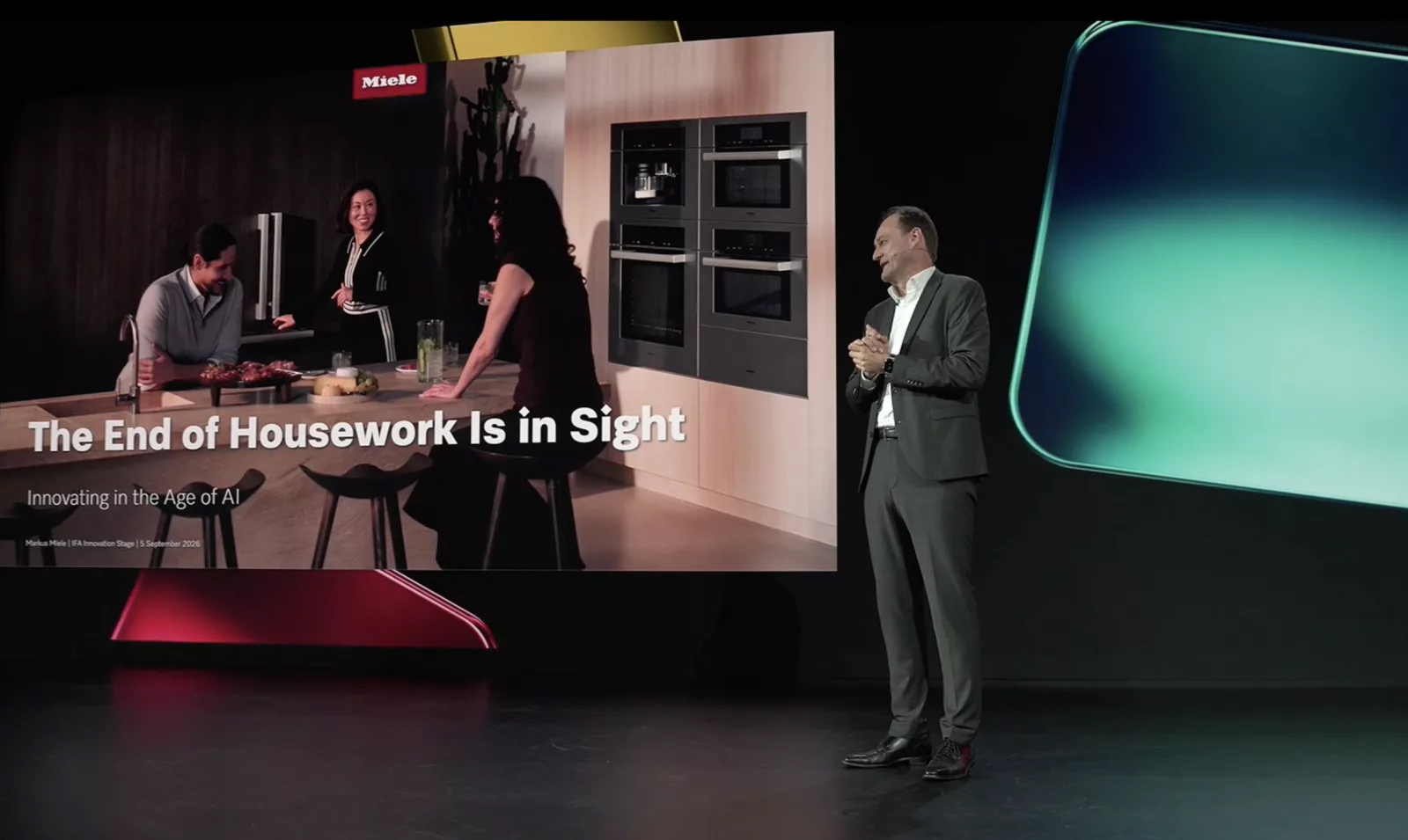
Photo: IFA
This invisible, functional AI is quietly reshaping how consumers will interact with technology products and the level of 'intelligence' they will expect. As 'smart' technology can do more, humans will be required to do less. The challenge for consumer technology companies will be distinguishing between truly useful and "gimmick" upgrades.
That is perhaps the bigger takeaway from IFA 2026: intelligence is becoming embedded in the physical products and environments around us. The opportunity now lies in turning that intelligence into reliable, useful execution.